Photograph the plate.
Skip the database.
SnapVitals reads the dishes, estimates the portions, and gives you calories and macros for every item, not one vague number for the whole thali. You adjust anything it gets wrong before it is logged.
Works in your browser today. Logging a dish by name is unlimited and free.
Today
Saturday, 8 February
Eaten
1,120 / 2,000
Poha
1 plate
270
Dal and 2 rotis
Adjusted from 3
430
An example, not a real account
Three taps, and no searching a database
Database search is the reason food logging gets abandoned. Here the photo is the input, and typing a name is the fallback rather than the job.
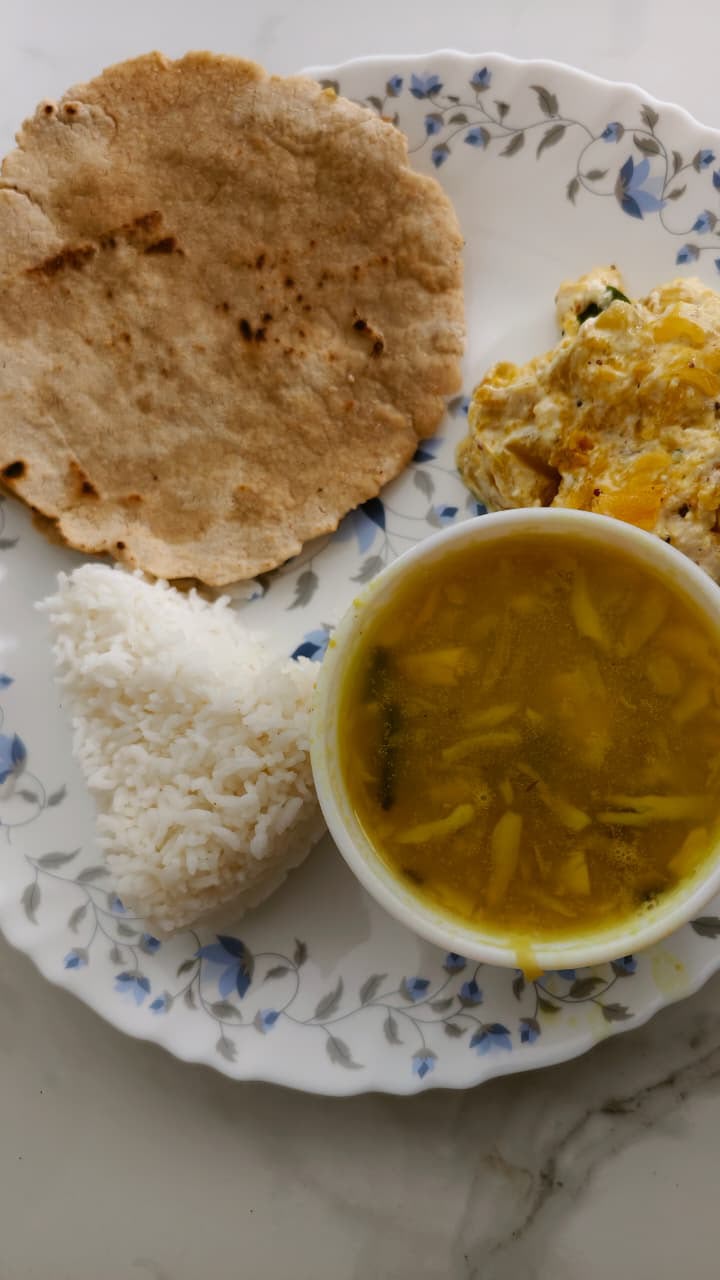
Snap the plate
Whole thali, a single bowl, or a packet in your hand. One frame is enough. Reading it takes about 30 to 40 seconds.
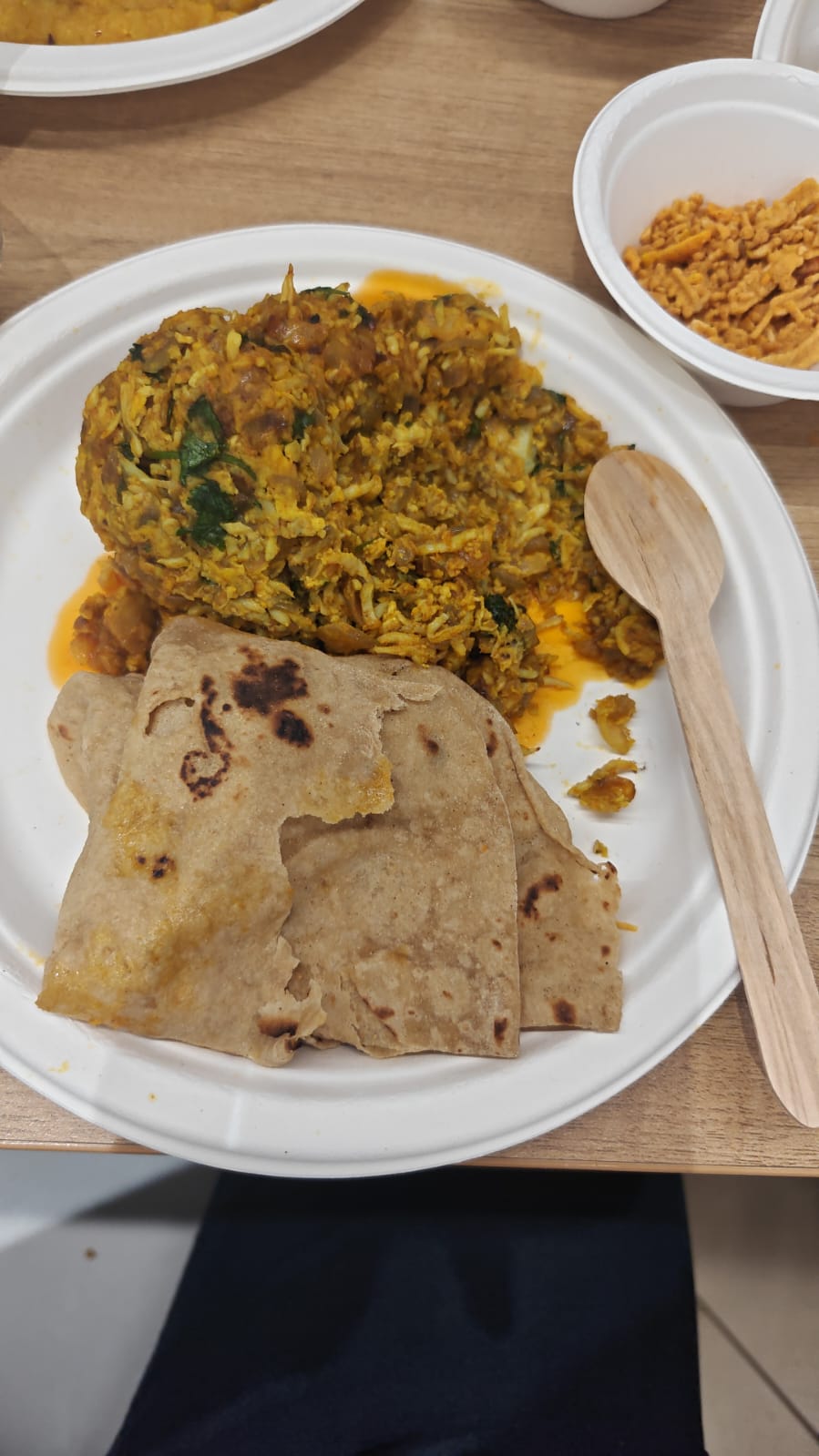
Check the read
Dishes come back named the way you would say them, itemised, with calories and macros for each one and a grade for the plate.
Fix a portion, then log
Two rotis rather than four? Tap the minus. The total, the macros and your day all follow. Nothing is written until you say so.
What it costs
Typing a dish is free, and always will be
A photograph goes to an AI model and costs us real money on every scan, so free accounts get 3 a day. Typing a dish name checks it against our own nutrition tables instead, which costs nothing to run and is therefore unlimited.
The app tells you which path you are on before it spends anything. A dish we already know never touches the AI.
Log by name
Unlimited. Checked against 15,000 portion entries.
Photograph a plate
3 scans a day on a free account.
Scan a barcode
Unlimited. A database lookup, not an AI call.
Before it is logged
An estimate you can correct, item by item
The AI is right most of the time and wrong often enough to matter. So it does not write anything. It hands you the plate broken into its parts, and you fix the one line that is off.
Change a portion and the item, the meal total, the macros and your day all recalculate together. What gets saved is what you confirmed, not what the model guessed.
North Indian Veg Thali
Chapati
2 pieces
220
Dal tadka
1 bowl
180
Jeera rice
1 cup
200
Mixed sabzi
1 bowl
180
780
calories
Tap a dish to see how the breakdown changes.
The tables underneath
More than 5,000 Indian dishes, at the portion you ate
Half a plate of poha and a family pack of biryani are not the same entry with a multiplier on it. Each dish carries its own portions, 15,000 rows in total.
poha (standard portion)
chole bhature (large portion, dhaba style)
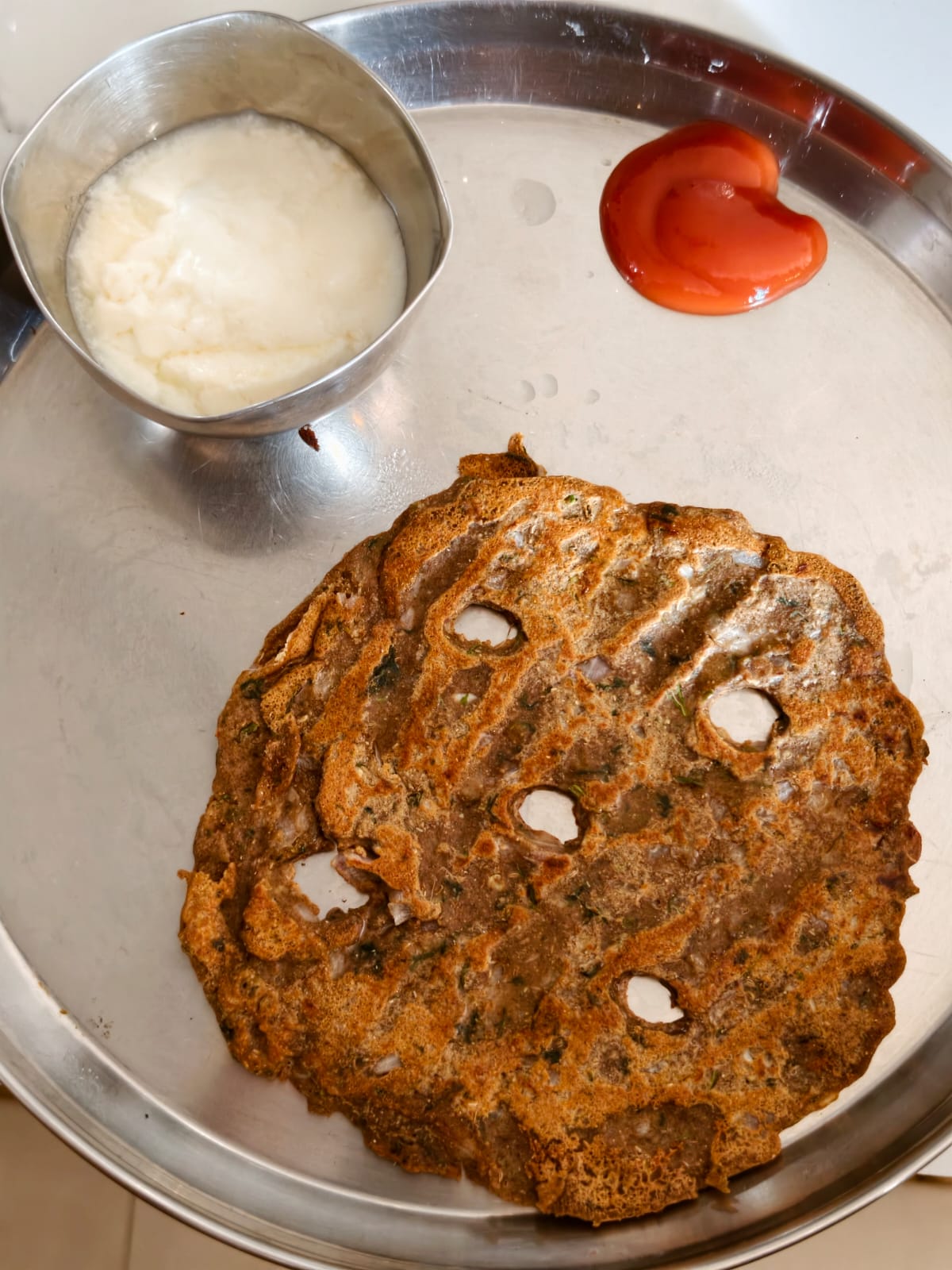
thalipeeth (standard portion, homestyle)
medu vada (half portion, air-fried)
Type any of these and it logs instantly, with no scan spent. Anything we do not know falls through to the AI, and the app asks first.
Packaged food, in context
Scan a barcode and you get the Nutri-Score with the reason underneath it, sized against your day rather than delivered as a verdict on the product. Ate some of it? Set the weight and it goes into today’s total.
Tomato ketchup
1 tbsp, 20 kcal
Sugar is the second ingredient, about 4 g a tablespoon.
Weight, as a line rather than a number
Daily weight is noise. Log it when you remember and SnapVitals plots the last month, so you can see the direction instead of reacting to this morning’s reading.
Last 30 days. Your targets recalculate when your weight changes.
What happens to your photos
Where your photos go
Meal photos are sent to Google's Gemini API to be identified. That is how the app works. Your name, email and health profile are not sent with them.
They improve our AI, unless you say otherwise
Your photos and corrections help make our food recognition better at Indian food. It is on by default and one tap to switch off in Settings, with no change to how the app behaves.
Delete means delete
Deleting a meal removes its photograph from our storage, not just the row pointing at it. Deleting your account removes all of them, and takes your data out of any future training.
Take it with you
Every meal you have logged exports as a CSV from Settings, on the web and in the app.
The full detail is in the privacy policy, written to be read rather than to be survived.
Log tonight’s dinner in your browser
Free to start, no card. The Android app is on its way to Google Play.